






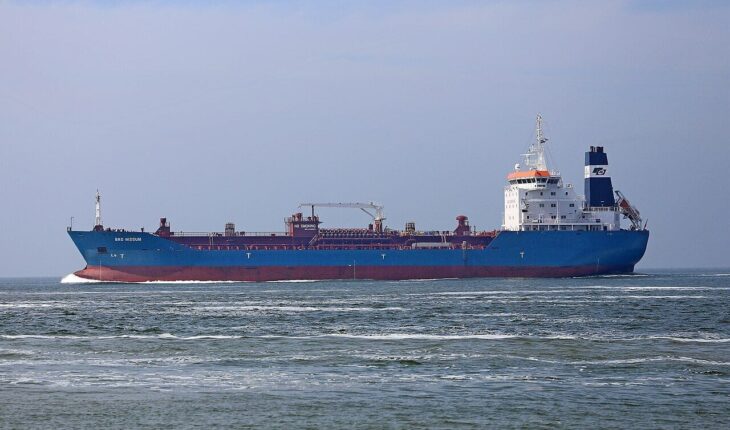
New Delhi: China has quietly urged Iran to avoid striking oil and LNG supply routes amid escalating tensions in the Gulf, according to a Bloomberg report citing officials familiar with the matter. The outreach came as regional attacks disrupted tanker traffic and prompted Qatar to temporarily halt LNG production, triggering sharp reactions in global energy markets. Bloomberg reported that Chinese officials conveyed to Tehran that targeting energy infrastructure would destabilise global markets and directly hit China’s energy security.

Map showing Strait of Homruz
Beijing is heavily dependent on crude imports from the Persian Gulf and is a major importer of Qatari liquefied natural gas. Any prolonged disruption would raise costs for Chinese industry and strain growth prospects. The Bloomberg report did not specify the channels used, but attributed the message to officials familiar with the communications. If accurate, it reflects Beijing’s priority: ensuring uninterrupted energy supplies above all else.
China’s vulnerability and India’s opportunity
The halt in Qatari LNG output has already sparked volatility in international energy markets. European natural gas prices surged by as much as about 50% after QatarEnergy, the state-owned LNG giant, suspended operations at its export facilities following attacks on infrastructure. European benchmark gas futures jumped sharply — by over 30%–45% in early trading — as traders priced in lost supply from one of the world’s largest exporters. Qatar accounts for roughly 20% of global LNG export capacity, and its LNG feeds power plants, factories and heating networks in Europe and Asia alike.
For China, that vulnerability is a strategic headache. Its economic model depends on affordable, reliable energy imports. When supply risks escalate and prices spike, the impact ripples quickly through industry, power generation and inflation. But China’s intervention to protect its own interests inadvertently creates a strategic opening for India.
India imports the bulk of its crude oil needs from the Middle East. It also relies heavily on Qatari LNG. A sustained price surge in LNG and crude would widen India’s trade deficit, stoke inflation and pressure public finances. If China’s outreach helps prevent further attacks on critical energy routes or facilities, it helps avert a deeper supply crunch that would hit New Delhi’s economy too.
India is not publicly part of the pressure campaign. That gives it diplomatic latitude. New Delhi maintains working relations with Tehran, strong energy links with Qatar and the Gulf monarchies, and expanding strategic ties with Western powers. This broad web of engagement allows India to advocate stability without appearing aligned with any single bloc.
Markets already reacting, stakes rising
The current energy turmoil is driven less by ideology and more by economic risk. Even short-lived supply interruptions have already jolted markets. In Europe, gas prices jumped as production halted. Europe’s storage levels are also unusually low for this time of year, adding to upward pressure on prices should supplies remain tight. Benchmark natural gas prices were over 30% higher than a week ago, prompting policymakers to convene supply-coordination talks. Oil markets have felt the heat as well, with Brent crude rising sharply amid tanker disruptions and facility shutdowns.
For India, these price moves matter because they affect costs that eventually filter down to households and businesses — from fuel and electricity to fertiliser and freight. Higher global LNG and crude prices would force India to pay more on long-term contracts and in spot markets, squeezing the economy at a sensitive moment.
India’s approach, maintaining ties with all major stakeholders while advocating stability, may allow it to safeguard energy interests without taking sides. For both China and India, keeping energy flowing remains a priority that transcends traditional geopolitical divides.