






A Sacred Trek Turns Ghostly as Monsoon Fury in the Plains Devastates Lives in the Hills
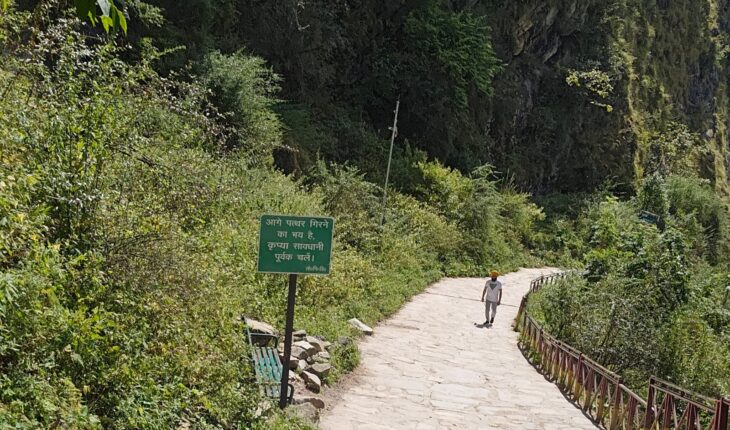
Hemkund Sahib: High in the rarefied air of the Himalayas, where snow-draped peaks cradle centuries of faith, the sacred 19-kilometer pilgrimage to Shri Hemkund Sahib should be alive with chants, the rhythm of footsteps, and the rustle of prayer scarves fluttering in the wind. Instead, this year, the path lies barren. Silence haunts the trail. The mountains are listening — but few pilgrims have come to speak.
Far below, in the flood-scarred plains of Punjab, nature has unleashed a merciless fury. Since August 2025, over 1,400 villages across 13 districts have been submerged. More than 50 lives lost and while the waters rose in the heartland, the consequences climbed far higher — casting a pall over one of Sikhism’s most sacred journeys, and devastating the quiet economy that clings to life in the folds of Uttarakhand’s hills.
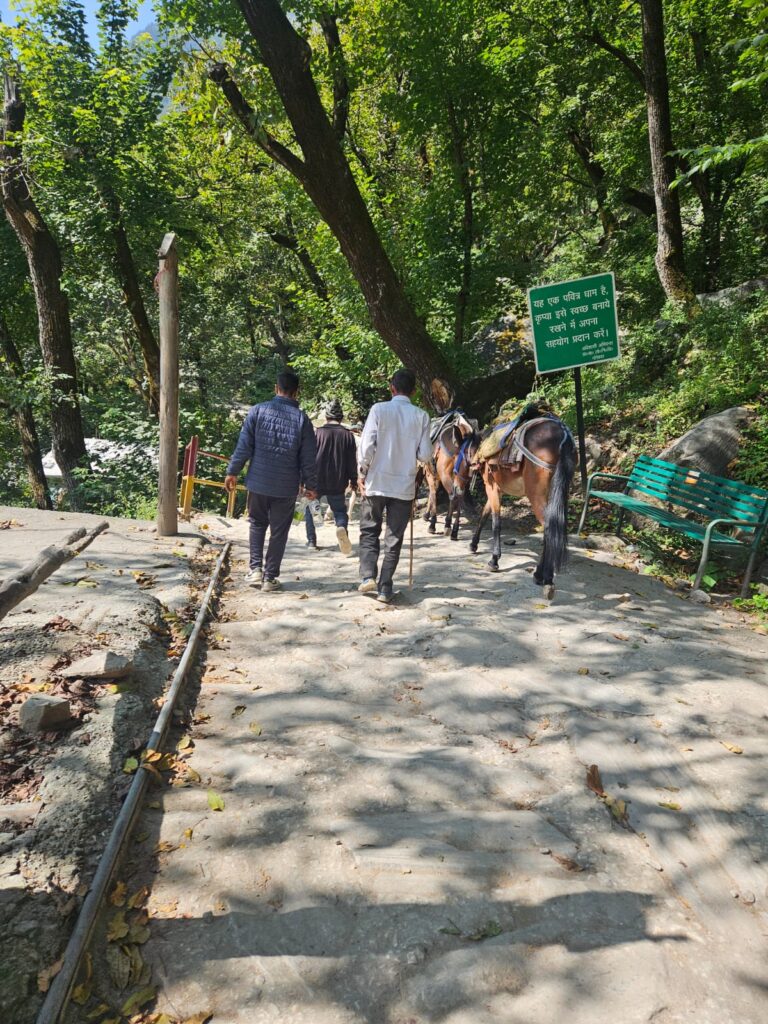
Every year, thousands make the arduous ascent to Hemkund Sahib — Sikhism’s highest Gurudwara, perched at over 15,000 feet. But this monsoon, the trail from Govindghat is nearly empty. The Yatra was suspended on several occasions. The fluttering tents are folded. The shops are shuttered. The silence is broken only by wind and the occasional hoofbeat of a riderless pony.
“Most of our pilgrims come from Punjab — this year, they’re fighting floods, not climbing peaks,” says Sukhdev Singh, a long-time visitor to the shrine.
His words echo through the hills like a lament. Normally, during peak season, over 2.5 lakh devotees fill this route. Now, daily arrivals at Govindghat have dropped below 100. A fraction. A whisper.
The flood’s ripple effect has reached deep into the roots of Uttarakhand’s fragile hill economy. Food vendors lining the path — known for hot chai, crispy parathas, and sugary gulab jamuns — stare at untouched stacks. Some don’t sell a single item all day. To survive, prices have soared: an apple costs Rs 50, a pair of gulab jamuns fetches Rs 80. It’s desperation disguised as inflation.
Yet no one bears the brunt like the Ghorewalas — the proud horse-handlers whose families have ferried pilgrims along the steep mountain trails for generations.
“This is the worst year I’ve ever seen,” sighs Deepak Singh, a weathered Ghorewala whose earnings have plummeted. Once, a single ride fetched Rs 1,800 — on busy days, he could earn over Rs 3,600. Today, fares have crashed to Rs 700–800. Riders are rare. Arguments over passengers erupt daily.
“After October, the yatra ends. Then we have nothing,” says Dharambir, another handler. “No work. No food. No future.”
With only 100 passengers a day and over 500 handlers competing, many are forced to walk home empty-handed.
In Gobindghat, the once-thriving guesthouses and dharamshalas stand eerily vacant. Their neon signs flicker like fading beacons in the mist. Free lodging and langar at the Gurudwara — a pillar of Sikh generosity — provide solace to pilgrims, but it’s crushing for the local hospitality industry.
“Eighty percent of our rooms are empty,” mutters one hotelier, scanning a blank register. The estimated Rs 100 crore annual boost from the Shri Hemkund Yatra has all but vanished.
This collapse comes on the heels of repeated disruptions: Himachal, Jammu & Kashmir, and Uttarakhand have all been battered by relentless rains. Warnings in early September even halted the Char Dham Yatra, leaving thousands stranded.
Still, in the face of desolation, the spirit of sewa — the Sikh ethic of selfless service — burns bright.
A senior Gurudwara Gobind Ghat official, undeterred by the dwindling numbers, says: “Let even one come, and we will feed and shelter them like thousands. The mountains may feel empty — but faith does not flood away.” Even as Uttarakhand’s battered roads reopen, one muddy stretch at a time. There is hope — but it is slow, fragile, and rain-soaked.
In the towering stillness of Hemkund, where the divine meets the earth, a brutal truth unfolds: A flood in the plains can silence prayers in the peaks.
As climate change accelerates — fueled by erratic western disturbances and increasingly violent monsoons — the bond between ecology and economy, between devotion and disaster, grows more precarious.
The trail to Hemkund Sahib now offers more than a journey of faith. It is a warning etched in mud and memory — that in a world reeling from environmental upheaval, the cost of climate is not just measured in property or crops. It is counted in empty paths, lost livelihoods, and unanswered prayers.