





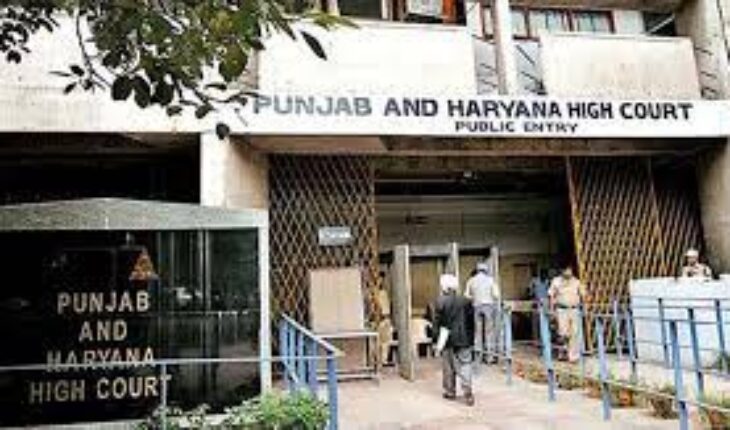
CHANDIGARH: The Punjab and Haryana High Court on Friday observed that the Central Bureau of Investigation (CBI) is already “overburdened” and that transfer of investigations to the agency cannot be ordered “casually” without clear evidence of lapses in the ongoing probe. The court made the remarks while hearing a petition seeking a CBI inquiry into the alleged suicide of IPS officer Puran Kumar.
The plea, filed by Navneet Kumar, president of the Haryana-based NGO Voice of Haryana, sought an independent investigation into the death of the 2019-batch IPS officer, raising doubts over the impartiality of the Chandigarh Police probe. The petition alleged bias, pointing out that senior officers named in the officer’s suicide note were still serving in key positions.
Puran Kumar, who was posted as DSP (Crime Against Women) in Panchkula, was found dead at his Sector 38 residence in Chandigarh on October 7. According to police, the 30-year-old officer died from a self-inflicted gunshot wound using his service revolver.
A suicide note recovered from the scene reportedly blamed Haryana DGP Shatrujeet Kapur, then Rohtak SP Narendra Bijarniya (now posted elsewhere), and others for harassment and caste-based discrimination. The note alleged persistent mental and professional victimization, claiming the officer was driven to take his own life.
A division bench comprising Chief Justice Sheel Nagu and Justice Sanjiv Berry observed, “CBI is already quite overburdened. Let’s not casually pass orders… You have to point out some anomaly in the investigation, some lapse.” The court asked the petitioner’s counsel to substantiate allegations of investigative shortcomings before any decision on transferring the case.
The bench also questioned whether the allegations could legally constitute abetment under Section 306 of the Indian Penal Code. “Can Section 306 be made out by this kind of allegations? Please tell us one Supreme Court judgment where conviction was passed on the basis of these allegations,” the bench said, citing precedents that require proof of direct instigation or encouragement for such charges.
The petitioner’s counsel argued that the officers named in the note had neither been suspended nor transferred, despite serious accusations of caste abuse and undue pressure. The plea also pointed to delays in registering an FIR and alleged conflict of interest in the Chandigarh Police-led investigation, which involves jurisdictional overlaps with Haryana Police.
Chandigarh Police have registered a case under Section 306 IPC and Section 3(2)(va) of the Scheduled Castes and Scheduled Tribes (Prevention of Atrocities) Act. The investigation includes forensic examination of the note, scrutiny of call records, and statements from colleagues and family members.
Meanwhile, the officer’s family and supporters continue to demand a CBI probe, alleging a cover-up to shield senior officials. The case has renewed concerns over caste-based discrimination and mental health challenges within the police force.
The High Court has posted the matter for further hearing and directed the petitioner to submit specific examples of lapses in the police investigation.