





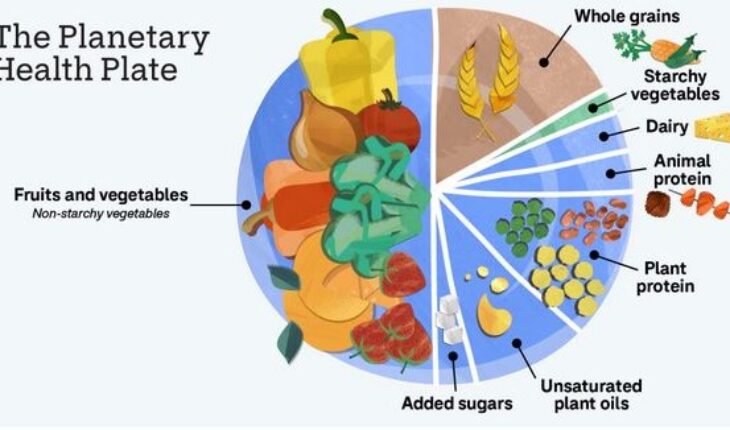
Food sits at the heart of the planet’s distress. The new EAT-Lancet Commission on healthy, sustainable and just food systems finds that food alone breaches five of the six planetary boundaries and drives about 30% of global greenhouse-gas emissions. Animal foods account for most agricultural emissions; grains dominate nitrogen, phosphorus and water use. The science is blunt: today’s farming leaves a nitrogen surplus more than twice the safe limit. Efficiency gains, if not steered by policy, risk rebound effects that erase environmental savings.
The Commission is pragmatic, conceding that even a full response — dietary change, cuts to food loss, durable productivity gains and targeted mitigation — would only just return food systems to safety on climate and freshwater by mid-century. Pressure on nutrient security would remain. One assumption merits scepticism: a forecast of 127% GDP growth in 30 years. Policymakers should plan for lower growth and harsher climate shocks.
For India, the implications are acute. A cereal-heavy diet and procurement regime must evolve towards more vegetables, fruit, nuts and legumes to meet 2050 benchmarks. That shift could raise average consumer prices, especially in regions reliant on imports, where affordability is already fragile. Justice demands healthier, more diverse diets without pricing out the poor. But culture and necessity matter: preferences are shaped by religion, caste and convenience; midday meals and procurement commitments are not easily unwound.
A diet-first crusade would misfire. Better to set stricter standards on harmful inputs; use taxes and subsidies to make minimally processed foods cheaper; and reform public procurement to normalise regionally familiar, affordable dishes — millets included. Supply-side fixes are essential: tackle water stress and degraded soils; decarbonise cold chains and processing; and retire open-ended incentives that drain groundwater. Power also needs rebalancing. Market concentration, weak deterrence of labour and ecological harm, and outsized corporate influence can stall reform. Stronger collective bargaining for workers and small producers, plus real consumer representation in rule-making, are overdue. The science is clear; only politics now stands between today’s diet and tomorrow’s livable planet.