





The recent imposition of a 50% tariff by the United States has prompted a significant outcry from various Indian exporter organisations, who have urgently appealed to the Reserve Bank of India for critical measures to alleviate the financial strain on exporters. They are requesting relief in loan repayments, extensions in loan moratoriums and leniency in adherence to non-performing assets (NPA) regulations, without incurring penalties. Such measures are deemed essential for exporters engaged in trade with the US, enabling them to sustain their businesses in the face of substantial losses triggered by the new tariff regime, and to maintain competitiveness against international exporters.
According to a detailed report by the Global Trade Research Initiative, the repercussions of this 50% tariff on India’s exports are severe; it is predicted that exports valued at approximately Rs 5.4 lakh crore could be adversely impacted. In contrast, India’s total exports to the US currently amount to Rs 7.59 lakh crore, indicating a staggering potential decrease of around 71% in revenue from this vital market. Remarkably, key Indian products, including textiles, apparel, precious gems and jewellery, as well as seafood, are expected to experience a price surge due to the tariff, resulting in an anticipated decline in demand by roughly 70%.
Adding further concern, competing nations such as China, Vietnam, and Mexico, which impose lower tariffs, are now able to offer similar goods at significantly reduced prices in the US market. This has further compromised India’s market share. Estimates suggest that the operational costs for Indian exporters could rise by anywhere between 35% to 40% compared to their foreign counterparts, making it exceedingly difficult for them to recover from these additional expenses.
Particularly vulnerable to these changes are the country’s micro, small, and medium enterprises (MSMEs), which play a pivotal role in India’s export landscape. With limited financial resilience, this sector is likely to bear the brunt of the tariff’s fallout. MSMEs are crucial to India’s economy, contributing over 45% to the nation’s total exports and primarily dealing in diverse product categories such as textiles, garments, electronics, leather goods, chemicals, furniture, handicrafts, pharmaceuticals, and food and beverages.
In terms of bilateral trade dynamics, India has established a mutually beneficial trading relationship with the US, importing key products such as crude oil, petroleum products, gold, electronic components, and coal. In return, India exports essential goods, including petroleum, pharmaceuticals, precious gems and stones, as well as various types of electronic machinery.
Historically, trade with the US has been lucrative for India. For instance, in the financial year 2023-24, India achieved exports amounting to Rs 6.75 lakh crore against imports of only Rs 3.67 lakh crore, resulting in a significant trade surplus of Rs 3.07 lakh crore within a total trade value of Rs 10.42 lakh crore. This pattern of surplus has been consistent, as seen in the financial year 2022-23, when exports reached Rs 6.84 lakh crore with imports totalling Rs 4.43 lakh crore, yielding a surplus trade balance of Rs 2.41 lakh crore from a total trade of Rs 11.26 lakh crore. This data highlights the crucial importance of maintaining robust trade ties with the US for India’s economic stability.
When analysing India’s trade landscape, it’s evident that the nation has consistently experienced a trade deficit since gaining independence, primarily due to its imports consistently surpassing exports. This imbalance poses various challenges for exporters engaged in international trade. They encounter significant hurdles, including limited access to capital, risks associated with receiving payments from foreign buyers, and volatile currency exchange rate fluctuations.
Indian commercial banks have played a crucial role in supporting exporters since their establishment. Through pre-shipment credit facilities, banks provide financial assistance to cover costs associated with product manufacturing, procurement of raw materials, and payment of wages to workers involved in the production process. Conversely, post-shipment credit arrangements allow banks to mitigate the risk of unpaid transactions. They facilitate immediate payments to exporters for their shipped goods, thereby assuming the financial risk of collecting payments from overseas importers. Banks act on behalf of exporters by issuing Letters of Credit (LC), which guarantee payment to the importer, thus minimising the possibility of loss for exporters should a transaction fail to conclude satisfactorily.
In addition to these banking services, exporters also benefit from foreign exchange facilities provided by banks, which help to stabilise potential losses through forward contracts. Furthermore, small and medium enterprises (SMEs) engaged in exporting can access insurance through the Export Credit Guarantee Corporation (ECGC). This insurance ensures that exporters receive compensation in the event of financial losses. The Export-Import (Exim) Bank of India further aids exporters by facilitating the exportation of goods and services, offering targeted assistance to enhance their international business capabilities.
Government agencies also play an instrumental role in supporting Indian exporters. Entities such as the Bureau of Industry and Security (BIS), Customs and Border Protection (CBP), the Department of Commerce, the Department of Foreign Affairs, and the Treasury Department collaborate to offer guidance and oversight. Specifically, BIS and CBP are responsible for ensuring adherence to export and import regulations, thereby ensuring compliance within the global trading framework.
Data published by the Reserve Bank of India highlights that the total outstanding loans extended by banks for export purposes were approximately Rs 12,940 crore as of December 29, 2023. This figure rose significantly to Rs 20,489 crore by January 26, 2024. However, by June 27, 2025, the amount plummeted to Rs 13,047 crore. One contributing factor to the reduced loan disbursements is the impact of US tariffs, which have led banks to be cautious regarding loan approvals for exporters due to the heightened risk of these loans becoming NPAs. This caution has not only affected the lending landscape but has also led to a noticeable decline in export volumes to the United States.
Currently, export credit in India accounts for just 28.5% of the total export demand, an indicator of a shortfall in support that falls below expectations. While exports contributed a notable 21.18% to the nation’s gross domestic product (GDP) in 2024, exporters are further grappling with losses stemming from ongoing geopolitical tensions and fluctuating currency exchange rates.
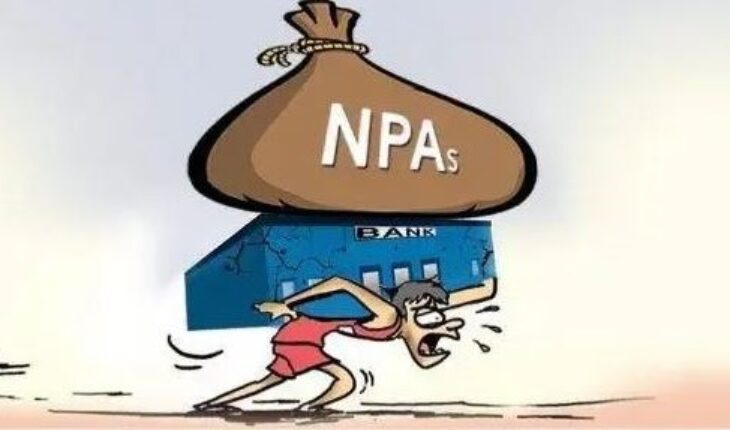
In summary, there is an urgent need for relief measures targeting exporters, particularly small and medium-sized enterprises (MSMEs) exporting to the US. Proactive intervention from the Government, Reserve Bank of India (RBI), and commercial banks is essential to alleviate the burden of US tariffs. Failure to address these challenges could exacerbate the pressure of NPAs on banks, which would ultimately have detrimental effects on both the health of Indian exports and the broader economy.
Satish Singh is a Senior Columnist based in Mumbai, and the opinions expressed in the article are personal.