





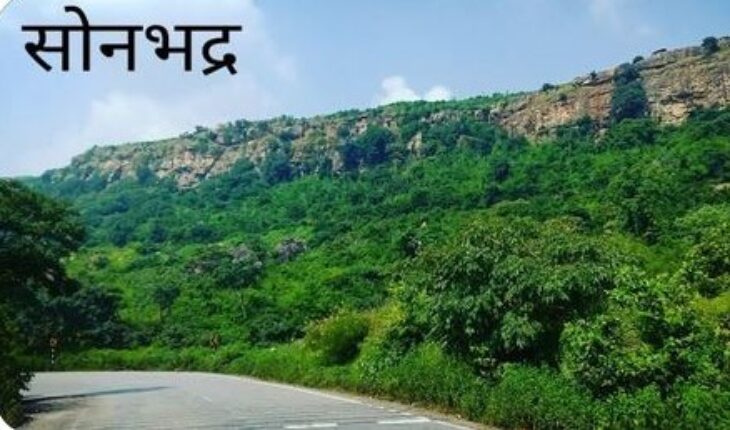
Sonbhadra, whose name suggests wealth and good fortune, is a bitter illustration of how India treats its resource frontiers. Part of a mineral-rich belt spanning Uttar Pradesh, Chhattisgarh, Bihar, Jharkhand and Madhya Pradesh, the district is marketed as the country’s “energy capital”, hosting about 6,000 MW of coal-based power. Yet, for the workers who dig its stone and coal, it remains a place of risk and neglect. The stone quarry collapse in Obra, which has claimed several lives and left others feared trapped, is the latest reminder.
The Uttar Pradesh government has ordered a three-tier probe and filed a case against the quarry owner for alleged safety violations. But if safety norms were indeed ignored, the obvious question is: where was the state when corners were being cut? Disaster-response teams had to come from Mirzapur, underlining the folly of not stationing such capacity locally in a district dense with quarries and mines. Doubts over workers’ safety training and equipment only deepen the sense of systemic failure. The rot, however, is structural. Allegations of rampant illegal quarrying are not implausible. Stone quarries sit at the lowest rung of mining, usually handled by small-time contractors with little incentive or capacity to invest in safety.
Micro-level geological studies that identify weak joints and fracture lines on hill slopes are rarely done, even though they can prevent exactly the kind of wholesale collapse seen in Obra. Blasting, a science that should be governed by precise calculations of explosive size and distance, is too often reduced to guesswork. Benching of open slopes, a basic safeguard, is frequently ignored. India does not lack knowledge. Institutions such as IIT (ISM) Dhanbad house world-class mining expertise. What is missing in Sonbhadra and similar districts is the political will to enforce science-based